How to Store Dirty Clothes When Traveling Without Ruining Clean Outfits
Organizers
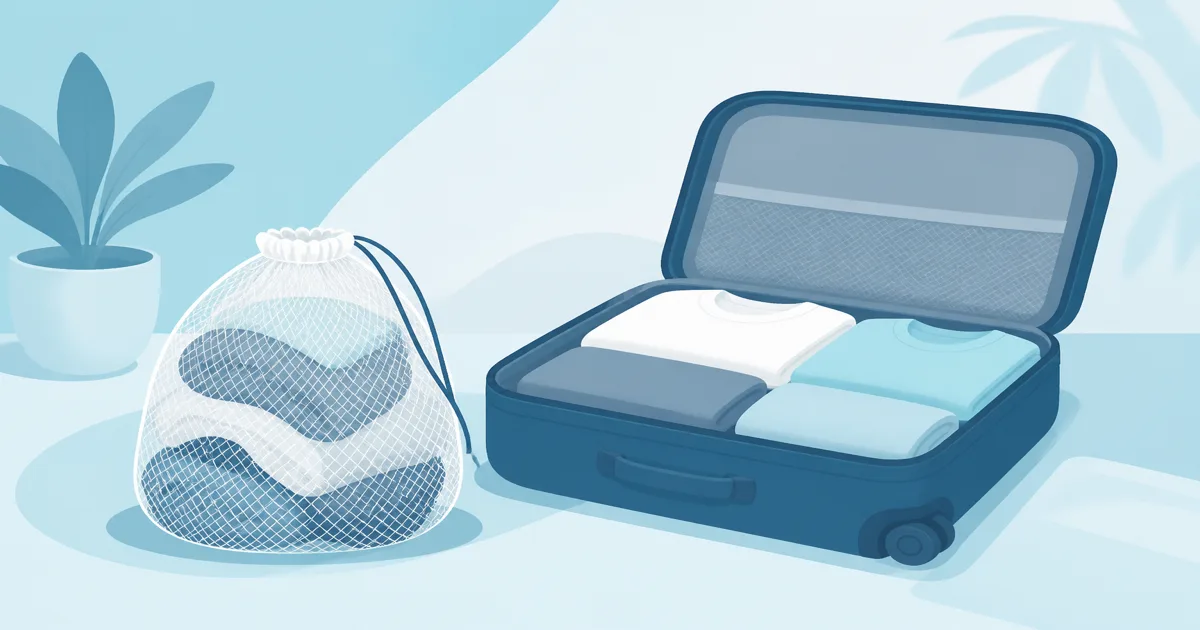
Give worn clothes one predictable home from the first night. A simple laundry bag or spare packing cube keeps clean outfits usable through the return flight.
Our picks
Knowing how to store dirty clothes when traveling makes the rest of your packing setup work. Without a plan, socks end up beside clean shirts, a damp swimsuit gets wrapped around toiletries, and the last clean outfit becomes harder to find than it should be.
You do not need a special bag for every category. You need one clear rule: clean clothes stay in their own cubes, and worn clothes go into one marked spot. Browse packing organizers for the full kit lane, then start with the best travel laundry bag pillar and pair it with a simple carry-on packing plan.
Keep dirty clothes in one quarantine zone, not mixed back into a clean cube. Mesh breathes. Sealed plastic traps odor. Dump the bag on laundry day before you rebuild outfits.
Pick one dirty-clothes zone before you leave
The best dirty-clothes system is the one you will use when you are tired. Choose either a dedicated laundry bag, a drawstring pouch, or one packing cube that begins the trip empty. Do not rely on an extra grocery bag you might not have when the first shirt becomes laundry.
For a short trip, one medium cube is usually enough. Pick a different color from your clean cubes, or turn it inside out so it is easy to identify. For a longer trip, a separate laundry sack is more convenient because you can empty it directly into a hotel washer or laundry-service bag.
The Travel Laundry Bag (2 Pcs - Large + Small) is a simple setup kit: use the large bag for dry worn clothes and the small bag for damp pieces that still need air. If you prefer everything inside one cube system, the Veken Compression Packing Cubes let you reserve the largest piece for laundry while the rest stay clean. Compress only after clothes are dry.
Put the laundry zone where it cannot spread
Where you place dirty clothes matters almost as much as the bag you use. In a clamshell suitcase, keep the laundry bag in the half you open second, often against the hinge or at the bottom. In a backpack, place it near the base, behind your clean packing cubes.
That placement prevents a common problem: you open the bag for a clean T-shirt, then have to move worn clothes every time. It also keeps the dirty zone from sitting against a toiletry bag that could leak. If your suitcase has a lid pocket, use it only when the pocket is easy to wipe and does not press against clean shirts.
Do not put dirty laundry in an exterior pocket unless the pocket is fully separate from your laptop, documents, or snacks. It is tempting because it is accessible, but it is also where damp fabric can make the rest of your bag smell stale.
Separate dry laundry from damp items
Not all dirty clothes belong together. A worn T-shirt or socks can go into the regular laundry bag. Damp swimwear, a sweaty workout top, or a towel needs a separate step first.
Shake out damp items and hang them in the bathroom or by a window until they are as dry as possible. If you must pack them before they dry, use a leak-resistant pouch and deal with them as soon as you arrive. A sealed wet bundle inside a packing cube is a fast way to create odor and mildew.
Shoes deserve their own bag too. Soles pick up far more grime than clothes, and a shoe bag is cheaper than replacing a stained shirt. Our guide to shoe bags for travel covers the simple options that keep footwear from touching your laundry or clean clothes.
Use a simple daily reset
At the end of each day, put worn clothes into the laundry zone before you get into bed. That small habit keeps the suitcase organized for the next morning. It also helps you see whether you have enough clean layers left, which is useful before you decide to wash something.
If you are staying more than three nights, open the laundry bag for a minute when you return to the room. Clothes do not need to be spread across the furniture, but a little air helps. Close the bag again before packing day so nothing escapes into the suitcase.
On a trip with children or a partner, use one dirty bag per person when space allows. Shared laundry bags become confusing quickly, especially when someone needs one item washed that evening. If you share one bag, use small zip pouches or color-coded clips inside it.
Plan for the return flight
The return trip is when people start forcing laundry into every gap. Avoid that by making the dirty zone larger as clean cubes empty. Move worn clothes into the dedicated cube first, then fill unused space around it with soft items like socks or a sweatshirt.
Compression can help with dry laundry, but it does not make the contents cleaner or lighter. Stop before the zipper strains. A heavily compressed cube can turn into a hard block that makes your suitcase difficult to close.
If you bought souvenirs, put them in the cleanest empty cube. Keep the laundry bag near the base or hinge, where it is less likely to crush delicate items. The goal is not a perfect suitcase. It is a bag you can unpack without washing everything you own.
Setup kit: laundry bag plus cubes
Treat dirty-clothes storage as a two-piece kit. The laundry bag is the quarantine pouch you empty on wash day. The cube set is the clean clothing system that should never hold worn socks. If you only buy one extra pouch this year, buy the laundry bag. If you are rebuilding the whole suitcase, buy the cube set and reserve one piece for laundry from day one.
Pair either approach with the layout in how to organize a suitcase so the dirty zone has a fixed address. More packing guides live on the Packneatly blog and homepage when you want the rest of the kit.
Common mistakes
- Waiting until day three to decide where worn clothes should go
- Putting wet swimwear into a sealed laundry cube for the whole trip
- Mixing shoes, gym clothes, and clean underwear in one pouch
- Compressing damp laundry to save a few inches
- Storing the laundry bag on top of the clean outfit you need in the morning
- Forgetting to empty the bag before you start the return flight
Final takeaway
To store dirty clothes when traveling, assign one cube or bag to laundry before you pack the first clean outfit. Keep damp pieces and shoes separate, put the dirty zone at the bottom or hinge side of your bag, and reset it every evening. That is enough to keep a suitcase useful for the whole trip.
Frequently Asked Questions
Can I put dirty clothes in a packing cube?
Yes. Use one cube only for worn clothes, ideally one with a solid panel. Do not compress wet clothes, and air out damp items before closing the bag for a long flight.
Where should a laundry bag go in a suitcase?
Put it at the bottom, along the hinge, or in the side you open last. Keep it away from the clean outfits you need first.
How do I pack wet swimwear?
Let it dry as much as possible, then use a separate leak-resistant pouch. Do not leave it sealed with regular laundry for days.
Should I wash clothes during a one-week trip?
Only if it makes your bag simpler. For many trips, a medium laundry zone is enough. For longer trips, plan one wash and reset the same packing layout.
Do I need a waterproof laundry bag?
Water-resistant helps with damp swimwear. Fully sealed bags can trap odor. Mesh or vented bags are better for multi-day dry laundry.
Can shoes go in the dirty-clothes bag?
No. Soles need a shoe bag. Mixing sneakers with shirts turns laundry into sandpaper.
What if I share a suitcase?
Give each person a labeled laundry pouch when space allows. Shared bags get confusing when someone needs one item washed that night.
When should I empty the laundry bag?
Empty it before you rebuild the return packing layout, and again as soon as you get home so odor does not sit in the suitcase.