How to Pack Shirts in a Suitcase: Roll Tees, Fold Dress Shirts
Carry-on
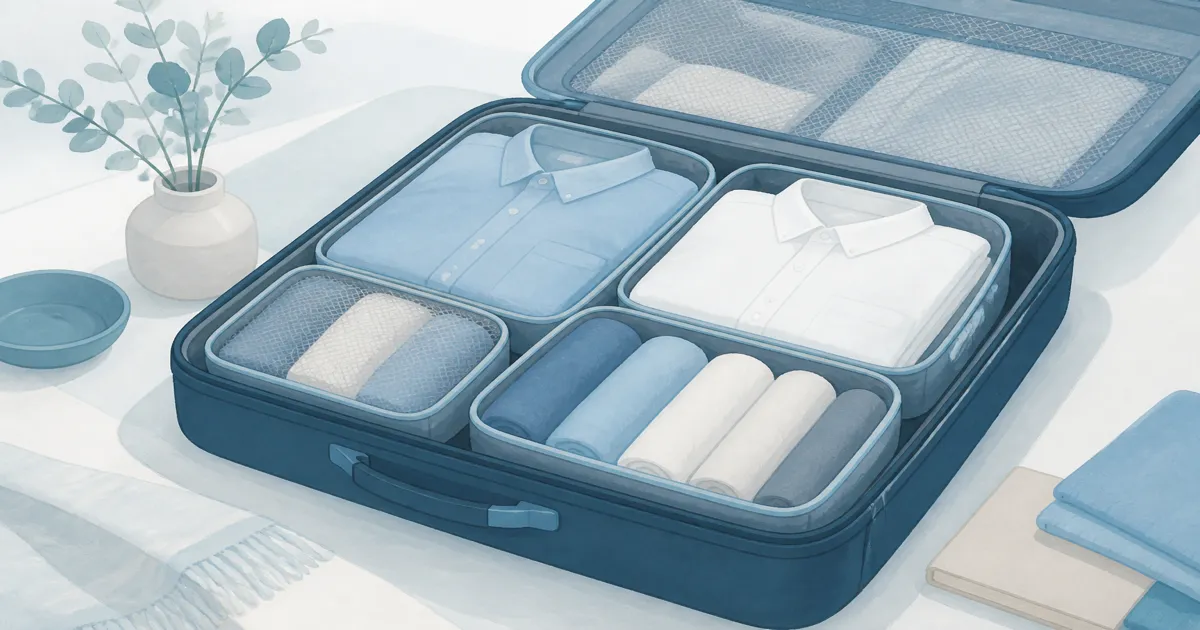
Roll soft tees, fold button-downs flat, and keep dress shirts near the top of the bag. The shirt type decides the method more than any single packing trick.
Our picks
Shirts take less volume than pants but show wrinkles louder in photos. If you searched how to pack shirts in a suitcase, start by sorting knits from structured woven shirts, then match the method. Fold structured shirts loosely. Roll tees. Keep dress shirts out of a rock-hard compression cube.
See also how to fold clothes for packing, how to roll clothes for packing, and how to pack pants in a suitcase.
Sort shirts before you fold anything
Group into:
- Soft knits (tees, henleys, thin sweaters)
- Casual woven (untucked button-downs, overshirts)
- Structured (dress shirts, stiff polos, anything that must look sharp)
Edit first. Learning how to pack shirts in a suitcase starts with leaving home the fifth nearly identical black tee. Remixable colors beat a unique shirt per day when bottoms are limited.
Wear the thickest shirt or light jacket on the plane when that is comfortable. That frees cube depth for pieces that wrinkle more easily.
Roll method for tees and soft knits
- Lay the shirt face down or face up (pick one habit and stay consistent).
- Smooth wrinkles with your hands.
- Fold sleeves in if the shirt is wide.
- Roll from the hem toward the collar with steady pressure.
- Park rolls side by side in a cube.
Rolling is usually the best answer for casual knits because it saves space and makes it easy to pull one shirt without unpacking the stack. Soft rolls also forgive suitcase straps better than crisp dress folds.
The full roll technique, including tightness and wrinkle control, is in how to roll clothes for packing. Use that guide for the method. This page is about which shirts get rolled versus folded and how they sit in a suitcase.
Do not roll soaking-wet gym shirts. Dry them first or quarantine them in a laundry bag.
Fold method for button-downs
- Button the front (and collar buttons if that helps the collar hold shape).
- Lay face down, sleeves folded back neatly.
- Fold once lengthwise or in thirds depending on cube width.
- Fold in half or thirds from the bottom so the shirt becomes a flat rectangle.
- Stack with the most wrinkle-sensitive shirts on top of the stack, not the bottom.
For dress shirts, flatter is better than tighter. A slightly larger fold that stays smooth beats a tiny brick with deep creases.
Tissue paper or a thin dry-cleaner bag between dress shirts reduces fabric-on-fabric cling. Optional, useful for important meetings.
Collar care
Collars collapse when crushed under shoes, toiletry bottles, or overfilled compression cubes. Keep structured shirts away from hard edges. If you use compression cubes, go gentle on dress shirts. Save aggressive compression for tees. Background on compression tradeoffs sits in best compression packing cubes.
Stuffing tissue lightly in a collar can help for one flight. Do not overstuff until the collar looks inflated and weird.
Using a shirts packing cube
A medium cube dedicated to tops is enough for most week-long trips. Leave zipper ease. If the cube fights you, remove a shirt rather than forcing a wrinkle factory.
Color-code if you also pack a pants cube: grab tops without opening bottoms. That small habit is why packing cubes earn their space.
Mesh-lid cubes help you see tees at a glance. Solid lids hide clutter if you prefer a calmer open-suitcase look. Either works for how to pack shirts in a suitcase; pick what you will maintain.
Suitcase layering
Suggested order:
- Bottom: shoe bags and laundry pouch
- Middle: pants cube and shirts cube
- Top: dress shirts or any shirt that must stay flatter
Cross straps can print lines across button-downs. Pad with a soft sweater before tightening, or place dress shirts above the strap line when the bag design allows it.
Wrinkle release on arrival
Hang dress shirts immediately. Smooth collars with your hands. A short steamy shower hang fixes many travel wrinkles on cotton. A compact unit from our best travel steamer guide is a better backup than hoping the hotel iron is clean. Casual rolls can stay in the cube until morning.
If you live out of the suitcase for a short stay, keep the shirts cube near the top after the first unpack so you are not digging nightly.
Business trip vs beach trip variants
Business trips need more fold discipline and fewer novelty tees. Beach trips can lean on rolls and cover-ups, with one nicer shirt folded for dinners. Match the method to the calendar. For trip-length planning, see business trip packing list and the beach vacation packing list.
Common mistakes
Rolling a starched dress shirt into a spiral crease. Packing shirts under muddy shoes with no barrier. Overfilling a cube until zippers carve ridges across fabric. Bringing seven shirts that only match one pair of pants you did not pack.
Another mistake: packing shirts straight from the dryer, still warm and slightly damp. They finish wrinkling inside the cube by the time you land.
Quick checklist
- Sort knits vs structured shirts
- Roll soft, fold sharp
- Protect collars from hard items
- Use a shirts cube with zipper ease
- Keep dress pieces toward the top
- Hang structured shirts on arrival
Follow that list and how to pack shirts in a suitcase becomes a short habit instead of a pre-trip argument with your luggage.
Mixing shirts with jackets and layers
If a shirt only works under one blazer, pack them as a unit when you can. Jacket methods live in the jacket packing guide. Random separate packing creates orphan pieces that never get worn.
Light mid-layers can roll. Stiffer overshirts should fold. When in doubt, do a quick wear test at home: if the fabric shows every fold line after an hour in a test cube, pack it flatter for the real trip.
Laundry mid-trip
Wash shirts fully dry before they re-enter a clean cube. Damp cotton in a closed pouch creates smell by day two. Use a travel laundry bag for worn tops so clean dress shirts stay presentation-ready.
If hotel laundry is available and pricey, decide in advance which shirts deserve that spend. Usually the dress shirts win. Tees can wait for a sink wash.
Optional folder for dress shirts
Weekend tees do not need a folder. If you are packing multiple button-downs, the Eagle Creek Pack-It Reveal Garment Folder (Large) keeps a flat stack so suitcase lids press evenly. Place the folder near the top third of the bag, not under shoes.
Final space edit
If the suitcase will not close, remove the least versatile tee, not the only dress shirt you need for a meeting. Volume problems are usually casual duplicates. Solving how to pack shirts in a suitcase includes knowing which shirt is allowed to stay home.
Frequently Asked Questions
Is it better to roll or fold shirts?
Roll soft tees and casual knits. Fold button-downs and dress shirts. Rolling dress shirts often creates spiral creases that are harder to shake out.
Should shirts go in packing cubes?
Yes for most trips. A dedicated shirts cube keeps tops easy to grab and stops them from migrating under shoes.
How do I pack dress shirts without wrinkles?
Button them, fold along natural lines, lay flat near the top, and hang on arrival. A dry-cleaner bag between shirts can reduce friction.
How many shirts for a week?
Often five tops that remix with two bottoms beats seven unique outfits. Add one spare if laundry is unlikely.
Can I pack shirts with pants in one cube?
You can, but separate cubes make hotel mornings faster and keep heavy denim from imprinting on light shirts.
What about polo shirts?
Treat polos like sturdy knits: roll or a single neat fold both work. Avoid crushing collars under hard objects.
How do I roll shirts for packing?
Roll only soft tees and casual knits. The step-by-step roll, tightness, and cube stacking belong in how to roll clothes for packing. This page covers which shirts get rolled versus folded.
Can a travel steamer replace careful folding?
No. Steam helps after you arrive. Pack dress shirts flat first. A compact steamer from our travel steamer guide is a backup for leftover creases, not a reason to roll a starched shirt.